
BIOMASS PELLET MACHINE
Biomass Pellet Machine Selection
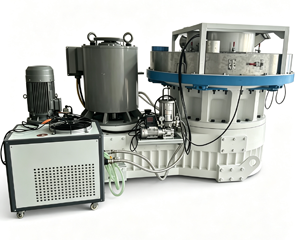
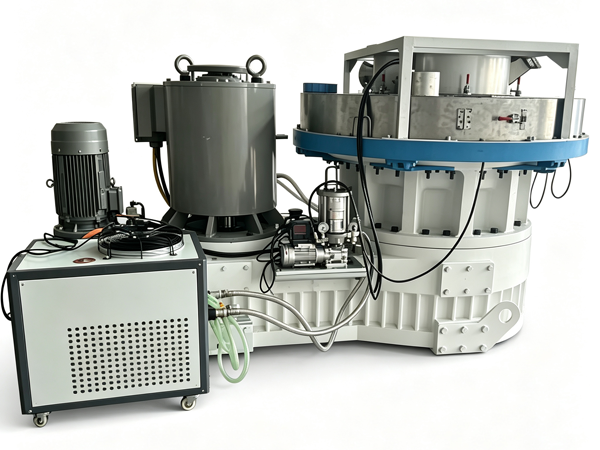
Choose pellet equipment by raw material, moisture, target capacity, pellet diameter, final fuel use and maintenance plan. ROHA helps buyers match forming equipment with the upstream preparation and downstream cooling, screening and packing sections.
PROJECT CONFIRMATION POINTS
Key Points for Biomass Pellet Machine Selection
Pellet equipment selection starts from practical project conditions: whether the material can pelletize, what capacity is realistic, what equipment is included, and how maintenance will be handled after delivery.
Can my material form pellets?
ROHA checks fiber structure, ash, oil, moisture, particle size and whether drying or fine grinding is required before pelletizing.
What output can I expect?
Real capacity depends on raw material, die compression ratio, pellet diameter, motor power, feeding stability and operating hours.
What parts need maintenance?
Ring dies, rollers, bearings, lubricants and screens should be matched with abrasiveness and production schedule to reduce downtime.
TECHNICAL PARAMETERS & APPLICATION FIT
Equipment Parameters
Pellet equipment parameters are not fixed by machine name alone. ROHA confirms model direction according to material moisture, particle size, pellet diameter, forming difficulty, plant output and downstream handling method.
| Parameter Item | Confirmation Direction |
| Raw Material | Sawdust, wood chips, straw, rice husk, coconut shell, bamboo, mixed biomass |
| Material Moisture | Usually controlled before pelletizing according to material type |
| Particle Size | Prepared by crushing or fine grinding before forming |
| Pellet Diameter | Common 6-12 mm, selected by fuel use and market requirement |
| Capacity Plan | Single machine output or multiple machine line configuration |
| Auxiliary Match | Feeding, cooling, screening, conveying, packing and dust collection |
Technical Decision Points
Key Engineering Considerations
- Raw material moisture control before pelletizing.
- Particle size consistency after crushing and fine grinding.
- Iron removal and impurity control throughout the line.
- Dust collection and workshop cleanliness at high-dust sections.
- Energy consumption, heat-source selection and operating cost.
- Pellet density, calorific value, ash range and final fuel use.
- Wear parts, maintenance cost and spare-part inventory.
- Automation level, electrical control and line safety logic.
Application Fields
Where the Line Is Used
- Biomass molded fuel production and processing.
- Agricultural and forestry waste fuelization projects.
- Industrial waste RDF and municipal waste RDF projects.
- Biomass power plants, coal-fired power plants, cement plants and kiln plants.
- Green hydrogen, biomass hydrogen and biomass methanol pretreatment centers.
Before Quotation
Send These Details for a Pellet Machine Recommendation
- Raw material name, photos and current particle size.
- Initial moisture and whether a dryer is already available.
- Target capacity per hour and working hours per day.
- Required pellet diameter or briquette shape.
- Final use: boiler fuel, heating fuel, power plant fuel or resale.
- Local voltage, installation country and workshop space.
Get a Matched Pellet Machine Proposal
ROHA can review your material and output target, then recommend the pellet machine type, die specification, auxiliary equipment and spare-parts plan.