
Complete Biomass Pellet Line Solutions
Complete Biomass Pellet Production Line Solutions
From raw material preparation to drying, pelletizing, cooling, screening and packing, ROHA designs complete biomass pellet processing lines for wood waste, agricultural residues, forestry waste and mixed biomass materials.
Line Types
Dry / wet / mixed material
Core Output
Pellets or briquettes
Scope
Design, equipment, support
Raw Material Fit
Raw Materials We Process
Different biomass materials require different crushing, drying and pelletizing configurations. The line route starts from moisture, particle size, ash content and material flow behavior.
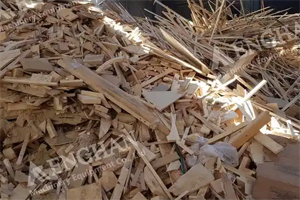
Wood Chip
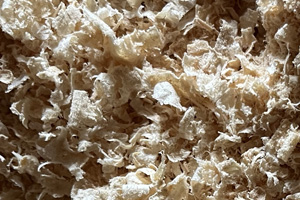
Pine Wood
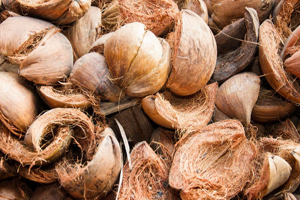
Coconut
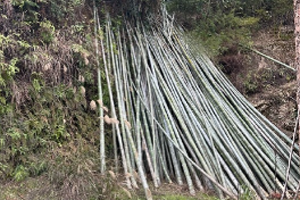
Bamboo
Process Route Selection
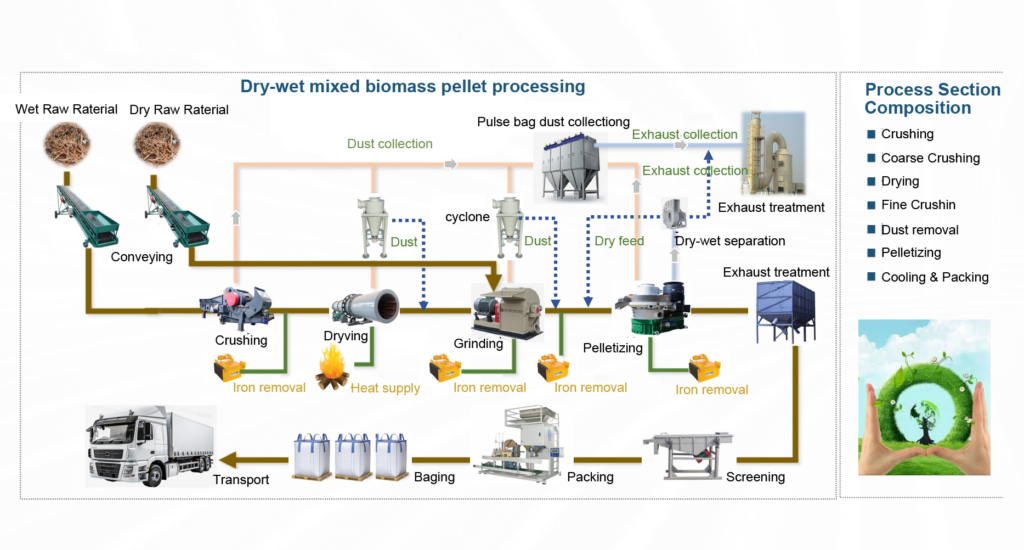
Three Pellet Line Solutions Based on Material Moisture
A professional proposal should first define whether the project uses dry material, wet material or a mixed feed stream.
Dry Material Pellet Line
For sawdust, dry shavings and low-moisture biomass materials that can enter grinding and pelletizing with limited drying demand.
Raw Material -> Crushing -> Fine Grinding -> Pelletizing -> Cooling -> Screening -> Packing
- Lower thermal section complexity
- Focus on particle size and stable feeding
- Suitable for local fuel production and industrial boiler fuel
Wet Material Pellet Line
For fresh wood chips, bark, forestry waste and other high-moisture materials that need drying before stable pelletizing.
Raw Material -> Crushing -> Drying -> Fine Grinding -> Pelletizing -> Cooling -> Packing
- Includes heat source and dryer selection
- Controls moisture before molding
- Works with cyclone, dust collection and exhaust treatment
Dry-Wet Mixed Material Line
For projects using multiple biomass streams with different moisture levels, requiring proportioning and balanced preparation.
Wet Material + Dry Material -> Proportioning -> Drying / Mixing -> Grinding -> Pelletizing -> Packing
- Balances different raw material sources
- Flexible for agricultural and forestry waste
- Useful for mixed biomass or RDF pretreatment projects
Complete Line Sections
What Is Included in a Complete Pellet Production Line
Each section is configured around the feedstock, capacity and final use of the pellet fuel.
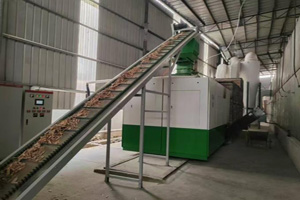
Raw Material Receiving
Receiving hopper, feeding conveyor and storage buffer for incoming biomass.

Crushing Section
Crusher, hammer mill, magnetic separator and conveyor for size reduction.
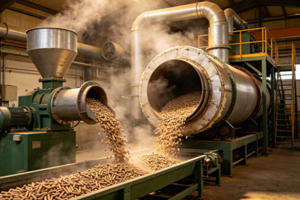
Drying Section
Rotary dryer or belt dryer with heat source, cyclone and exhaust treatment.
Fine Grinding Section
Hammer mill and separation equipment to prepare material for pelletizing.
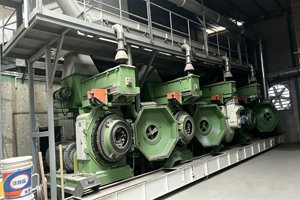
Pelletizing Section
Ring die pellet mill, feeder, conditioner, lubrication and control support.
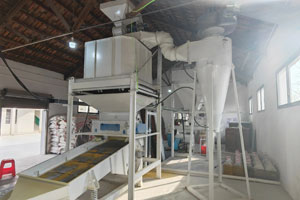
Cooling Section
Cooling equipment to reduce pellet temperature before screening and packing.

Screening Section
Screening equipment removes fines and helps stabilize finished product quality.

Packing Section
Bagging, packaging, weighing and transport systems for finished pellets.
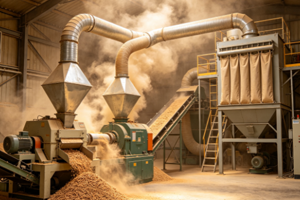
Dust Collection System
Bag filters and collection points for crushing, grinding and packing areas.
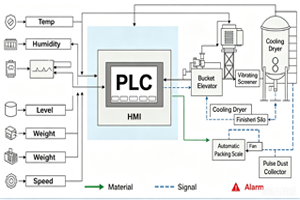
Electrical Control System
Electrical planning and control logic for connected production operation.

Conveying & Storage
Screw conveyors, belt conveyors, silos and material transfer equipment.

Finished Product Storage
Bulk bags, bagged pellets and logistics preparation for delivery or use.
FINISHED PELLET PRODUCTS
Pellet Products Made by the Production Line
The complete biomass pellet line turns prepared wood residues, agricultural waste and mixed biomass into dense molded fuel products for boiler fuel, heating systems, power-plant co-firing and regional fuel supply.
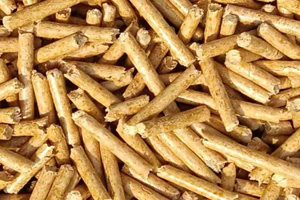
Standard Biomass Pellets
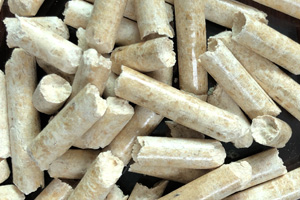
Pine Wood Pellets
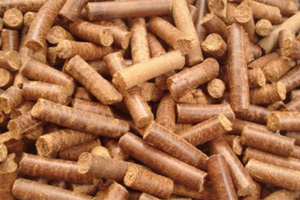
Coconut Pellets
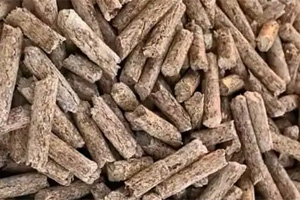
Bamboo Pellets
Capacity Options
Production Capacity Is Customized by Material and Project Target
| Line Capacity | Suitable Project | Main Use |
|---|---|---|
| 1-2 T/H | Small pellet plant | Local fuel production and trial operation |
| 3-5 T/H | Medium biomass fuel plant | Industrial boiler fuel and regional supply |
| 6-10 T/H | Commercial pellet plant | Bulk supply, factory fuel and project operation |
| 10+ T/H | Large-scale project | Power plant, RDF, co-firing or export fuel projects |
Final capacity depends on raw material type, moisture, pellet diameter, equipment configuration and working hours.
Engineering Workflow
How We Design Your Pellet Line
1
Raw Material Analysis
Confirm material type, moisture, ash, size and mixing ratio.
2
Capacity Confirmation
Define hourly output, operating shifts and final pellet use.
3
Route Selection
Choose dry, wet or dry-wet mixed processing route.
4
Equipment Configuration
Match crushers, dryers, pellet mills, packing and dust-control modules.
Technical Decision Points
Key Engineering Considerations
- Raw material moisture control before pelletizing.
- Particle size consistency after crushing and fine grinding.
- Iron removal and impurity control throughout the line.
- Dust collection and workshop cleanliness at high-dust sections.
- Energy consumption, heat-source selection and operating cost.
- Pellet density, calorific value, ash range and final fuel use.
- Wear parts, maintenance cost and spare-part inventory.
- Automation level, electrical control and line safety logic.
Application Fields
Where the Line Is Used
- Biomass molded fuel production and processing.
- Agricultural and forestry waste fuelization projects.
- Industrial waste RDF and municipal waste RDF projects.
- Biomass power plants, coal-fired power plants, cement plants and kiln plants.
- Green hydrogen, biomass hydrogen and biomass methanol pretreatment centers.
Before Quotation
Send These Details for a Complete Line Proposal
- Raw material type and material photos.
- Initial moisture and target moisture if known.
- Target capacity per hour and operating hours per day.
- Pellet diameter and final use of pellets.
- Available workshop size or plant layout drawing.
- Local voltage, frequency and destination country.
- Dust-control, emissions or automation requirements.
- Budget range and expected delivery schedule, if available.
Get a Complete Line Proposal
ROHA can review your raw material and project target, then propose the processing route, equipment list, capacity plan and support scope.