
Drying Equipment for Biomass Forming Lines
Control moisture before pelletizing, briquetting and molded fuel production
Drying is one of the decisive steps in biomass forming. If sawdust, wood chips, straw, husk or mixed biomass enters the pellet mill with unstable moisture, pellet density, output, die life and energy consumption are all affected.
ROHA configures drying equipment around inlet moisture, target outlet moisture, raw material structure, heat source, workshop layout and dust-control points, helping the complete production line run with predictable feeding and forming performance.
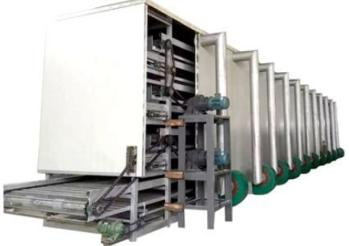
Role in Biomass Forming
A stable dryer protects the pellet mill and improves fuel quality
Drying equipment reduces and stabilizes moisture before fine grinding and forming. Correct moisture improves pellet hardness, lowers blockage risk, reduces excess power consumption and helps maintain long-cycle production.
Moisture Stability
Reduce wet biomass to a more consistent outlet moisture before pelletizing or briquetting.
Forming Performance
Support better pellet density, smoother discharge and more predictable ring die operation.
Line Efficiency
Match heat source, dryer capacity, airflow and dust collection to the complete production route.
Drying Equipment Options
Core modules for biomass moisture reduction
The final configuration depends on inlet moisture, material particle size, target capacity, available fuel, floor space and environmental requirements.
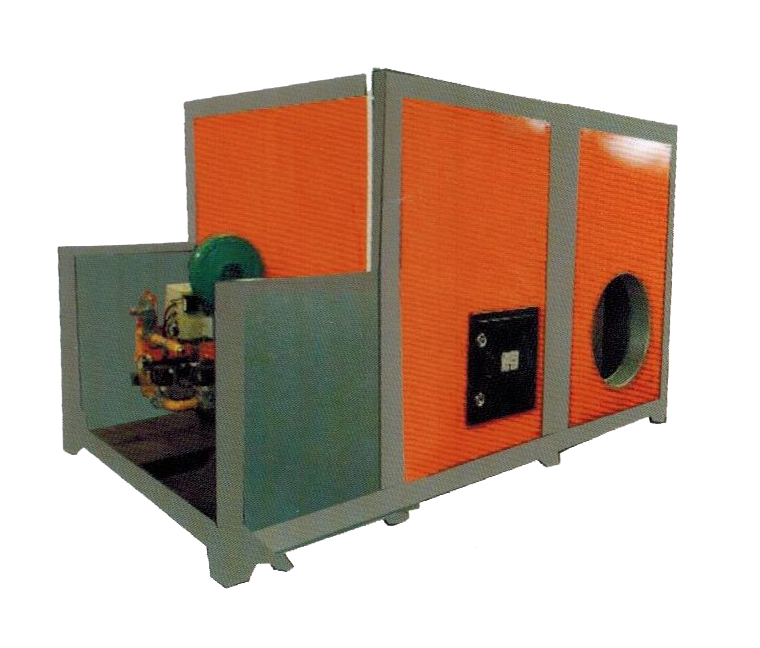
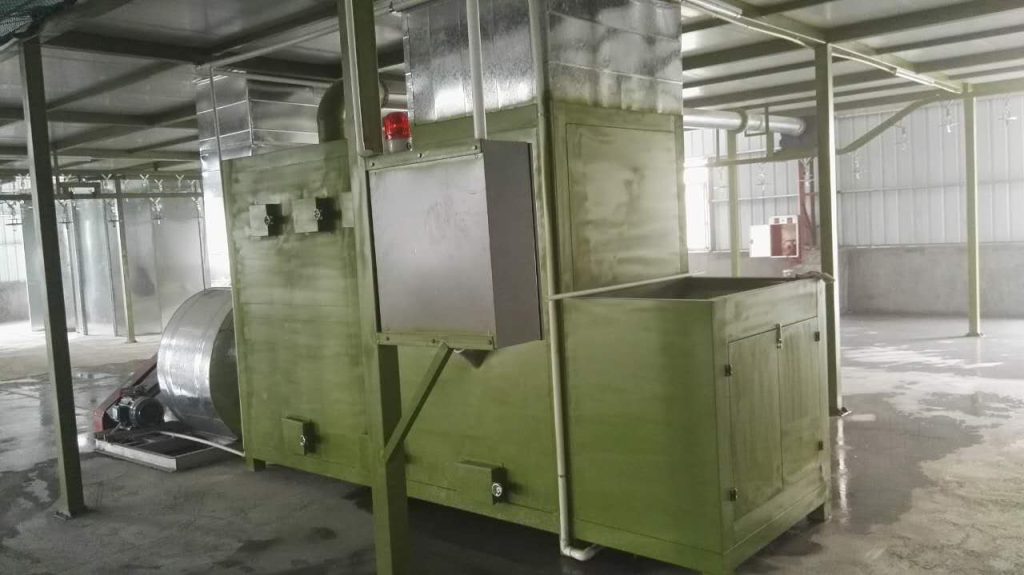
Biomass Hot Air Furnace
Provides stable hot air for drying systems and can be matched with available biomass fuel or project heat-source requirements.
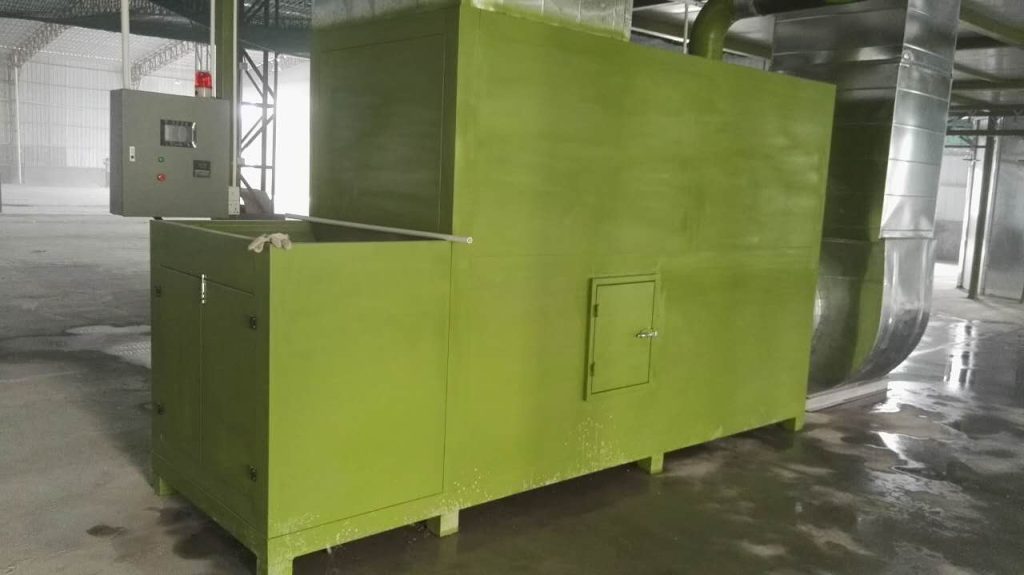
Biomass Burners
Semi-gasification or direct-fired burner options for matching fuel type, drying temperature and operating cost.
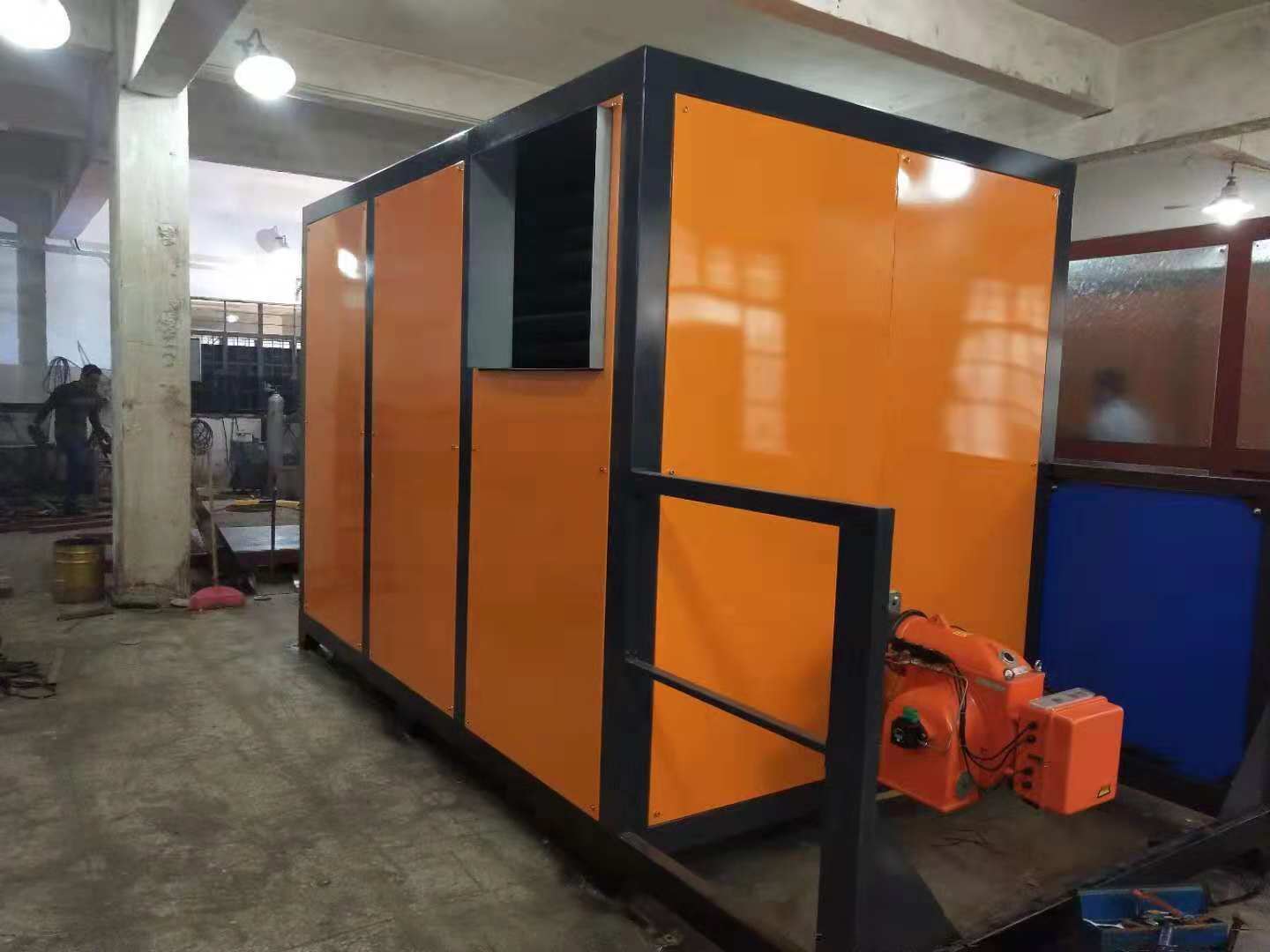
Cyclone & Airflow System
Separates material and air, supports drying airflow control and helps connect the dryer with downstream equipment.
Dryer Selection
Match the dryer to the material, not just the capacity number
A drying system should be selected after checking feedstock moisture, particle size, fiber structure, dust level, heat-source availability, target outlet moisture and downstream pelletizing requirements.
- Fresh wood chips and bark usually need stronger moisture removal before grinding.
- Sawdust and shavings may need airflow and temperature control to prevent over-drying.
- Straw, husk and shell materials require attention to dust and light material carryover.
- Mixed biomass lines need a route that balances different moisture levels and feeding behavior.
| Material Condition | Recommended Focus |
|---|---|
| High-moisture wood chips | Rotary drying, strong heat supply and dust-control points |
| Sawdust or wood shavings | Stable airflow, controlled discharge moisture and anti-overdrying |
| Straw, rice husk or shells | Light material handling, cyclone matching and workshop dust control |
| Mixed biomass feedstock | Moisture balancing, proportioning and flexible drying route |
| Upgraded existing line | Connection height, installed power, existing conveyor direction and control logic |
Complete Drying Workflow
From wet biomass to pellet-ready feedstock
01
Measure Moisture
Confirm inlet moisture, target outlet moisture and material variability.
02
Prepare Material
Use feeding, crushing or screening before drying when material size is uneven.
03
Select Heat Source
Match burner, furnace and fuel type to temperature and operating cost.
04
Dry & Separate
Reduce moisture while controlling airflow, residence time and material discharge.
05
Collect Dust
Arrange cyclone, ducts and dust collectors for dryer exhaust and transfer points.
06
Stabilize Outlet
Control discharge moisture before fine grinding, buffering and pelletizing.
07
Connect Downstream
Link the dryer to grinder, silo, pellet mill and control system.
08
Optimize Operation
Adjust feed rate, temperature, airflow and discharge moisture during commissioning.
Before Quotation
Send these details for a drying system proposal
- Raw material type, photos and approximate particle size.
- Initial moisture and target outlet moisture before pelletizing.
- Required drying capacity per hour and working hours per day.
- Available heat source or preferred biomass fuel for the burner.
- Workshop dimensions, installation space and connection height.
- Dust-control, exhaust or local environmental requirements.
Request a biomass drying system configuration
Share your raw material, moisture, target capacity and site conditions. ROHA can recommend dryer type, heat source, airflow, dust collection and downstream connection for your biomass forming line.